A week in Panama City Beach fits in a carry-on if you pack in layers and buy the bulky stuff after you land. Here is what goes in the bag, what waits for the beach town, and the one item you cannot replace there.
Beach Flags in Panama City Beach: Plan Your Water Days Around Them
Every beach access in Panama City Beach flies a colored flag. This is the short version for trip planning: what each flag means and how it should change your beach, boat and jet ski plans. Check the day’s flag before every swim. For the venue and card side of a beach day, see PCB Club Card’s beach flags and water safety guide.
The flags
- Green: low hazard. Calm conditions. Swim, float, do the boat thing.
- Yellow: medium hazard. Moderate surf or currents. Swim near shore, stay in your depth, keep an eye on each other.
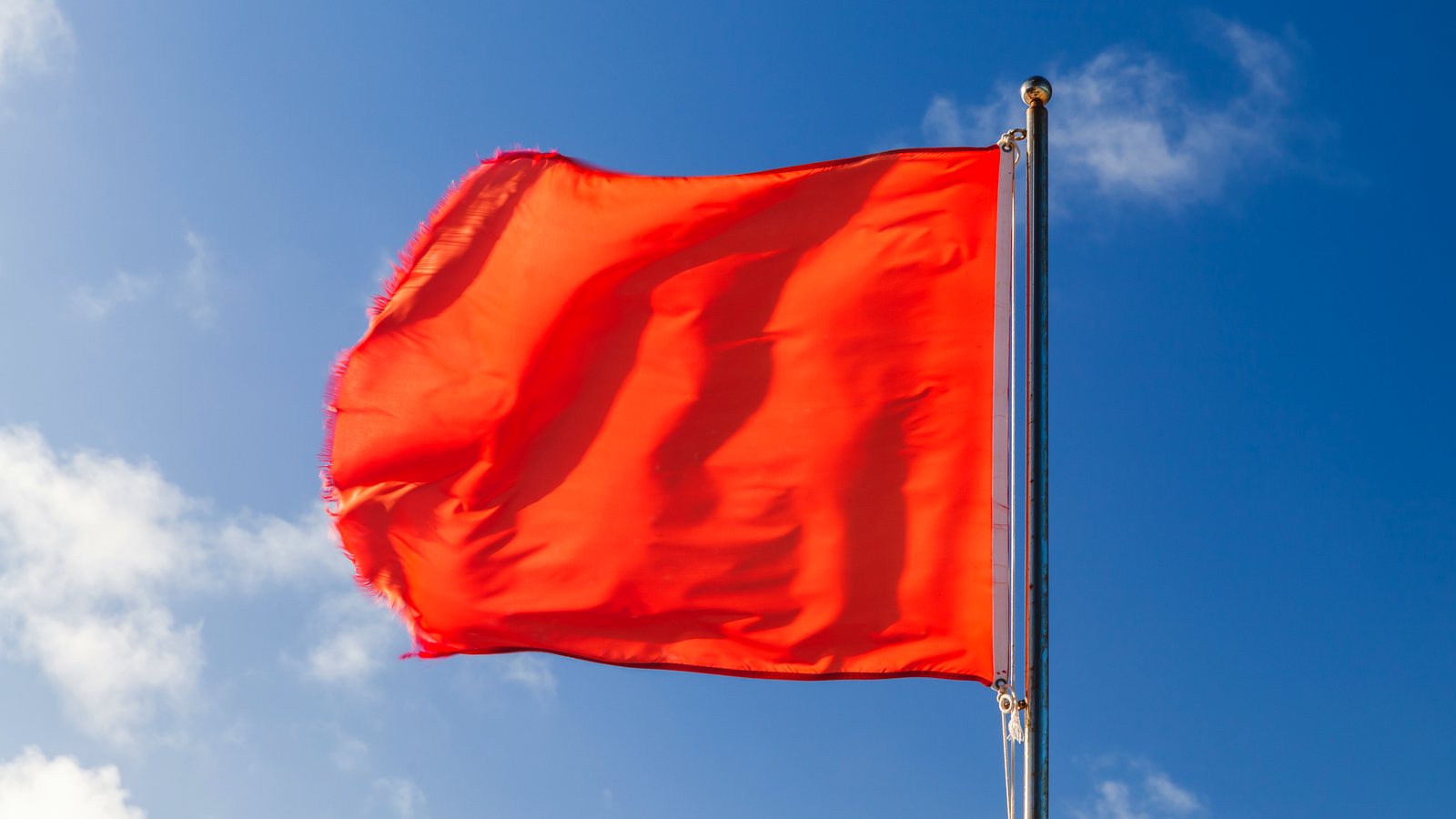
- Red: high hazard. Strong surf and rip currents. Stay out or stay knee-deep.
- Double red: the water is closed. Swimming can get you fined, and more to the point it can get you killed.
- Purple: dangerous marine life — usually jellyfish. Flies alongside another color.
Why it matters in March
Cold fronts blow through the panhandle in March and bring wind. Wind builds surf, surf builds rip currents, and the Gulf that looked like a pool on Monday is red-flag on Tuesday. The flag changes daily; check it every time you walk onto the sand.
If you get caught in a rip
- Don’t fight it. It’s pulling you out, not under.
- Swim parallel to the beach until the pull stops.
- Angle back in. If you’re tired, float, face the beach, and wave.
Where to check
Flags at every public beach access, lifeguard stands during the season, and Bay County’s flag status online. Plan your water activities for a green or yellow morning, and keep a rain-or-red-flag backup (rainy day plan). More safety.
Get the PCB Club Card
Free entry to the biggest theme parties, selected free drinks, and local discounts — one card for your whole week. 2027 cards are on sale now.

Related Posts